The Impact of LED Technology on Event Lighting
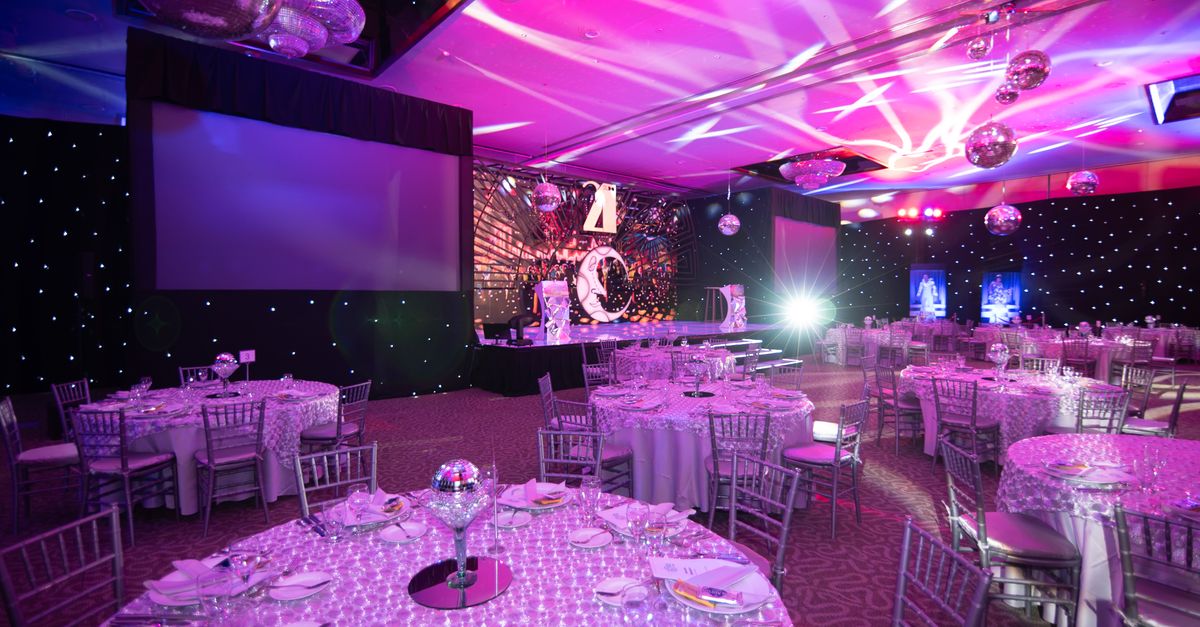
Table Of Contents
LED Lighting and Sustainability
The shift towards LED lighting in various sectors has marked a significant advancement in sustainable practices. LEDs consume considerably less energy compared to traditional incandescent and fluorescent lights. Their efficiency directly translates into a lower carbon footprint, reflecting positively on environmental efforts. Additionally, the long lifespan of LED fixtures reduces the need for frequent replacements, which contributes to decreased waste in landfills.
Moreover, the use of LED technology aligns with broader sustainability goals, including minimising harmful materials in lighting products. Traditional bulbs often contain toxic substances like mercury, posing a risk during disposal. In contrast, LEDs are typically free from such hazardous materials, making them a safer choice for both consumers and the environment. This evolution not only benefits event organisers seeking eco-friendly options but also promotes a more sustainable approach within the industry as a whole.
Reducing Environmental Impact
The shift to LED technology in event lighting significantly diminishes environmental impact. LEDs consume up to 75% less energy compared to traditional incandescent bulbs. They also produce considerably less heat, which helps in reducing the overall energy demand for cooling systems during events. This efficiency not only cuts electricity costs for event organisers but also lowers the carbon footprint associated with energy production.
Additionally, the longevity of LED fixtures contributes to sustainability efforts. While traditional bulbs may require frequent replacements, LEDs boast lifespans of up to 25,000 hours or more. This durability reduces waste and the need for manufacturing new products, which often involves resource-intensive processes. The ability of LEDs to provide bright, vibrant lighting while being eco-friendly makes them an appealing choice for event planners looking to minimise their environmental footprint.
The Evolution of Event Lighting
Event lighting has undergone a remarkable transformation over the past few decades. Initially, lighting setups relied heavily on incandescent bulbs, which were energy-intensive and often generated excessive heat. As technology progressed, fluorescent and halogen lights began to replace traditional options, offering slightly better energy efficiency and longer lifespans. However, these alternatives still fell short in terms of versatility and colour range, leaving room for innovation.
The introduction of LED technology represented a significant leap forward in the evolution of event lighting. LED lights dramatically improved energy efficiency, longevity, and the ability to produce a wide spectrum of colours. This advancement allowed for more dynamic lighting designs, enabling event planners to create immersive environments tailored to the mood and theme of any occasion. As the demand for sustainable and cost-effective solutions grew, the shift towards LED lighting became not just a trend but a necessity in the event industry.
From Traditional to Modern Solutions
Event lighting has undergone a significant transformation over the years. Traditional lighting solutions, such as incandescent bulbs and halogen lights, have dominated the industry for decades. These options often consume large amounts of energy and require frequent replacement. The shift towards modern lighting solutions has been driven by technological advancements and a growing awareness of sustainability practices. Designers and event planners are increasingly opting for LED fixtures, which offer a range of benefits beyond energy efficiency.
The versatility of LED technology has allowed for innovative designs and effects that were not possible with earlier lighting methods. Modern LEDs can produce vibrant colours, dim to various intensities, and seamlessly integrate with smart technology. This adaptability has made them a go-to choice for a variety of events, from intimate gatherings to large-scale festivals. They provide enhanced control over lighting aesthetics and overall ambience, significantly influencing the way events are experienced by attendees.
Challenges of Implementing LED Technology
Transitioning to LED technology in event lighting does not come without its challenges. Many event planners express concerns about the initial costs associated with purchasing or renting LED fixtures. While the long-term savings on energy consumption and maintenance may outweigh the upfront investment, the financial commitment can deter some from making the switch. Additionally, there may be a learning curve associated with mastering the new technology, particularly for those accustomed to traditional lighting systems.
Another significant challenge involves compatibility issues with existing equipment. Not all lighting control systems can seamlessly integrate with LED fixtures, leading to potential technical complications during events. This incompatibility can create frustration for lighting designers and technicians who are required to adapt to new setups quickly. Furthermore, the varied quality of LED products on the market can complicate decision-making, as not all options deliver the expected performance and colour quality.
Common Misconceptions and Limitations
Many misconceptions surround the implementation of LED technology in event lighting. A common belief is that LEDs provide harsh lighting, leading to an unflattering atmosphere. In reality, advancements in LED technology have allowed for the production of softer hues and adjustable colour temperatures, enabling event organisers to create a welcoming ambience. The versatility of LEDs can cater to various themes and moods, dispelling the myth that they lack warmth.
Another limitation often cited is the initial cost associated with LED equipment. While it is true that the upfront investment for LED fixtures can be higher than traditional options, the long-term benefits often outweigh this initial expense. LEDs consume less energy and have a longer lifespan, resulting in reduced electricity bills and lower maintenance costs over time. As more event planners become aware of these advantages, the perception of LED technology is gradually shifting toward its effectiveness and efficiency.
FAQS
How do LED lights contribute to sustainability in event lighting?
LED lights contribute to sustainability by using significantly less energy compared to traditional lighting solutions, thus reducing greenhouse gas emissions. They also have a longer lifespan, which means less waste and fewer replacements are needed, making them a more environmentally friendly option for event lighting.
What are some advantages of using LED technology in event lighting?
Advantages of using LED technology in event lighting include energy efficiency, lower energy costs, a wide range of colours and effects, reduced heat output, and longer lifespan compared to incandescent or halogen lights. These benefits make LEDs a popular choice for event organisers looking to enhance their lighting while being mindful of the environment.
What are common misconceptions about LED lighting?
Common misconceptions about LED lighting include beliefs that they are too expensive upfront, that they provide inadequate light quality, or that they create harsh lighting. In reality, while initial costs may be higher, their energy savings and longevity make them cost-effective over time. Moreover, advancements in LED technology have improved light quality and colour rendering, making them suitable for various events.
Are there any limitations to using LED technology in event lighting?
While LED technology has many advantages, some limitations include compatibility issues with existing dimming systems, potential colour temperature inconsistencies, and initial costs that can be higher than traditional lighting solutions. However, ongoing advancements are continually addressing these challenges, making LEDs increasingly versatile for event lighting.
How has the evolution of event lighting influenced the use of LED technology?
The evolution of event lighting has seen a shift from traditional incandescent and halogen lights to modern LED solutions. This transition has been driven by the need for more energy-efficient options, greater flexibility in design, and enhanced visual effects. As technology continues to evolve, LEDs are becoming the standard for event lighting due to their adaptability and sustainability.
Related Links
Essential Lighting Techniques for Different Event TypesChoosing the Right Lighting for Your Event in Sydney
Best Practices for Lighting Control During Events
Comparing Uplighting and Downlighting for Events
Tips for Effective Lighting Setup for Outdoor Events
The Role of Lighting in Enhancing Event Themes
Trends in Event Lighting Design for Sydney Venues
How to Create a Stunning Atmosphere with Event Lighting