Essential Lighting Techniques for Different Event Types
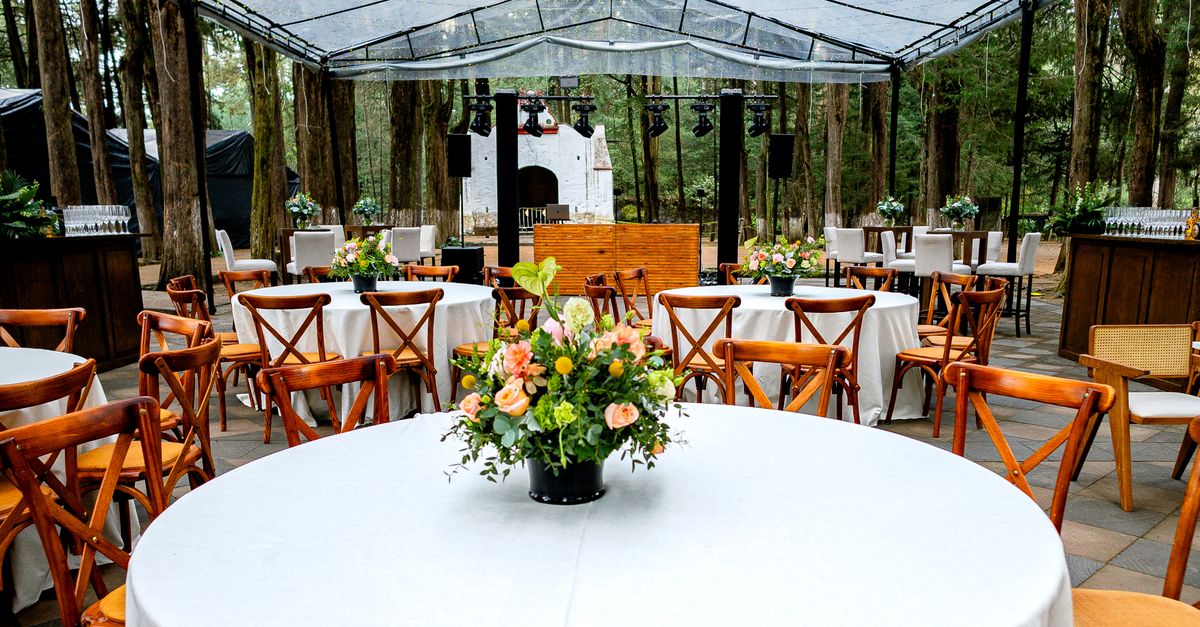
Table Of Contents
Effective Lighting for Exhibitions
Lighting plays a critical role in enhancing the visitor experience at exhibitions. It helps to create an atmosphere that can captivate audiences, making the displays more engaging and accessible. By utilising targeted spotlights, organisers can guide attention to specific features or artworks, ensuring they do not go unnoticed. The right balance of brightness and warmth can evoke emotions, inviting guests to linger longer and appreciate the intricacies of each piece.
Additionally, versatile lighting solutions can adapt to the unique layout of each exhibition space. Using a combination of ambient, task, and accent lighting allows for greater flexibility in showcasing diverse exhibits. Strategic placement of fixtures ensures that each section of the exhibition is well-lit while maintaining a cohesive look throughout the venue. This not only highlights key displays but also enhances the overall flow and organisation of the event, making it an unforgettable experience for all attendees.
Highlighting Key Displays and Artworks
Illuminating key displays and artworks effectively is crucial in creating a memorable experience for attendees. A well-chosen lighting scheme can accentuate textures, colours, and intricate details, transforming ordinary pieces into captivating focal points. Spotlights or accent lights are often employed to direct attention towards these highlights, ensuring they stand out against their surroundings. The use of warm or cool lighting can also contribute to the overall mood, enhancing the emotional response of viewers.
Consideration of the angle and intensity of the light can make a significant difference. Lighting from above creates depth, while side lighting can reveal textures that might otherwise go unnoticed. It’s important to balance the brightness of the display with the ambient light in the venue. Careful planning allows for an engaging interplay of light and shadow, inviting the audience to linger and appreciate the artistry on display.
Outdoor Event Lighting Solutions
When planning outdoor events, it's crucial to ensure that lighting enhances both ambience and functionality. String lights are a popular choice for creating a warm and inviting atmosphere. They can be draped overhead or wrapped around trees, adding a whimsical touch to casual gatherings or weddings. In contrast, solar-powered lanterns provide an eco-friendly option that combines practicality with aesthetic appeal. They light pathways and seating areas without the need for electrical outlets, making them ideal for remote locations.
For larger events, such as outdoor festivals or concerts, the strategic placement of floodlights can improve visibility for performers and attendees alike. These high-output lights are capable of illuminating vast areas and can be adjusted to create dynamic effects. Additionally, incorporating colour washes can significantly enhance the mood, allowing organisers to tailor the experience to match themes or specific segments of the event. By carefully selecting and positioning outdoor lighting, planners can elevate the event experience while ensuring safety and accessibility for all guests.
Adapting to Natural Surroundings
When planning outdoor events, it is important to consider the natural environment and how lighting can enhance the existing beauty. Using fixtures that complement the landscape can create a harmonious setting. For example, warm-toned lights can blend seamlessly with garden flora, while subtle uplighting can highlight the unique textures of trees and foliage without overpowering the natural elements.
Choosing the right lighting techniques can help maintain the integrity of the surroundings while still providing necessary illumination. Solar-powered lights are an eco-friendly option that can integrate well into outdoor spaces. These lights not only reduce energy costs but also help to create a more relaxed atmosphere as they are often softer and more ambient, allowing attendees to appreciate both the event and the natural beauty around them.
The Importance of Focus Lighting
Effective use of focus lighting can significantly enhance the atmosphere of any event. It serves the purpose of directing attendees' attention to specific areas, ensuring that key elements stand out against a potentially cluttered background. This technique is particularly essential in spaces where multiple activities or displays compete for attention. By using varied intensities and colour temperatures, organisers can create a sense of hierarchy, leading guests to crucial focal points.
Incorporating focus lighting also adds depth to an event's overall design. Strategically positioned lights can highlight textures, shapes, or colours in a way that standard ambient lighting may not achieve. This illumination technique becomes an artistic tool, crafting a narrative that guides the audience's experience. Without it, important details may fade into obscurity, losing their potential to captivate and engage.
Drawing Attention to Specific Areas
In any event, directing attention to particular areas can elevate the overall experience for attendees. This is achieved through strategic placement of spotlights or accent lights which enhance focal points without overwhelming the space. By illuminating specific exhibits or features, organisers can guide guests naturally through the flow of the venue.
Utilising varying light intensities can also create a sense of depth and hierarchy within the environment. Areas designated for interaction or socialising can benefit from softer lighting, while spots requiring focus, such as stages or presentations, should have sharper beams. The thoughtfully crafted interplay of light will not only enhance visibility but also enrich the atmosphere, making key areas stand out significantly.
FAQS
What are some effective lighting techniques for exhibitions?
Effective lighting techniques for exhibitions include using spotlights to highlight key displays and artworks, creating ambient lighting to enhance the overall atmosphere, and utilising adjustable fixtures to cater to different exhibit layouts.
How can outdoor events effectively use lighting?
Outdoor events can effectively use lighting by incorporating natural elements into the design, such as using lanterns or fairy lights that blend with the surroundings, and ensuring adequate illumination for pathways and key areas to enhance safety and atmosphere.
What is focus lighting and why is it important?
Focus lighting is a technique that directs attention to specific areas or objects by using concentrated beams of light. It is important as it helps guide guests’ attention to key features or activities at an event, enhancing the overall experience.
How can I adapt lighting to complement natural surroundings?
You can adapt lighting to complement natural surroundings by choosing warm-toned lights that mimic natural lighting, using fixtures that harmonise with the landscape, and strategically placing lights to highlight natural features without overwhelming them.
What considerations should I keep in mind when planning event lighting?
When planning event lighting, consider the venue size and layout, the mood you want to create, the types of activities taking place, and the technical requirements such as power supply and equipment availability. Additionally, be mindful of any environmental concerns related to outdoor lighting.
Related Links
Ambient Lighting Ideas for Memorable Sydney EventsThe Impact of LED Technology on Event Lighting
Best Practices for Lighting Control During Events
Comparing Uplighting and Downlighting for Events
Tips for Effective Lighting Setup for Outdoor Events