Top Screen Options for Corporate Presentations
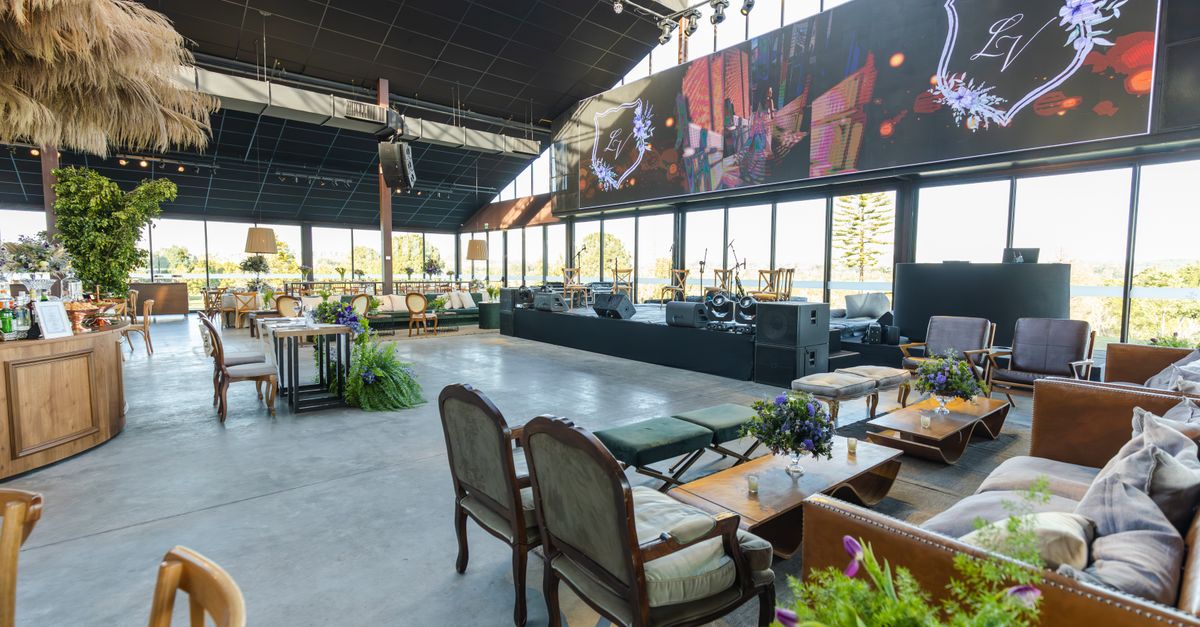
Table Of Contents
Screen Size
Choosing the right screen size is essential for ensuring that your audience can see the content clearly. Factors to consider include the venue size, seating arrangements, and the number of attendees. A larger screen may be necessary for expansive spaces, while a smaller screen can suffice in more intimate settings. The distance between the screen and the audience also impacts visibility, so an appropriate size can facilitate better engagement.
Professionals often recommend a general rule of thumb for determining screen size based on viewer distance. For example, a five-metre viewing distance typically calls for a screen size of around 100 inches. This provides clarity without straining the eyes. Additionally, ensuring the screen height is adjustable can accommodate various audience sizes, improving overall visibility and comfort during presentations.
Guidelines for Selecting the Appropriate Screen Size
Choosing the right screen size is crucial for ensuring all attendees can see and engage with the presentation material effectively. A general guideline is to consider the distance between the screen and the furthest audience member. For larger venues, a screen width of one-third the distance from the viewer to the screen is often recommended. In smaller spaces, this ratio can be adjusted accordingly, allowing for a better viewing experience without overwhelming the room.
Another important factor is the content being presented. Text-heavy slides or detailed visuals may require larger screens for clarity, while simpler presentations could make do with a smaller option. It is also wise to consider the lighting conditions of the venue. In brightly lit rooms, larger screens with high brightness levels may be necessary to ensure visibility. Evaluating these aspects will help in selecting a screen size that caters to both the audience and the presentation’s needs.
Screen Projection Techniques
Choosing the right projection technique can significantly impact the effectiveness of a corporate presentation. Front projection involves placing the projector in front of the screen, which allows for bright, vibrant visuals. However, it requires careful consideration of room lighting and potential sightline issues for the audience. On the other hand, rear projection offers a flexible solution, as the projector is set behind the screen. This technique is particularly advantageous in environments where audiences are close to the screen, minimising shadows and allowing more freedom for presenters to move around.
In recent years, advancements in projection technology have expanded the options available for businesses. For example, short-throw projectors are increasingly popular, as they can project large images from a very short distance, making them ideal for smaller meeting rooms. The choice of projection method can influence not only the overall visual quality but also the engagement of the audience. Understanding the distinct characteristics of each technique is crucial for making an informed decision that aligns with the specific needs of a corporate presentation.
Overview of Front vs. Rear Projection
Front projection is a widely used technique in corporate settings, where the projector is positioned in front of the screen. This method typically offers bright images and is suitable for larger spaces, allowing for clear visibility of visuals for a larger audience. It is, however, important to manage ambient light effectively, as excessive brightness can wash out the projected image. Speakers often have to navigate around the projection beam, which can sometimes restrict movement.
Rear projection involves placing the projector behind the screen. This technique provides a clean and unobstructed view for the audience, as it eliminates shadows created by people moving in front of the screen. It typically requires a dedicated space for the projector which can complicate setup in smaller venues. The image quality can be exceptional, but screen selection is crucial as it must allow light to pass through without distortion. Choosing the right method will depend on the specific requirements of the presentation and the venue layout.
Enhancing Presentations with LED Screens
The vibrant colours and sharp clarity of LED screens can significantly elevate the presentation experience. Their ability to display high-definition visuals ensures that even intricate details are visible to all attendees. This technology excels in bright environments, where traditional projection methods may fall short, providing consistent image quality and brightness levels.
Energy efficiency stands out as another key benefit of LED screens. They consume less power than many conventional alternatives, leading to reduced energy costs over time. In addition, LED screens have a longer lifespan, which makes them a prudent investment for businesses seeking reliability and sustainability in their presentation equipment. The durability of LED technology also means less frequent replacement, resulting in lower overall maintenance costs.
Advantages of LED Technology in Corporate Settings
LED technology offers several compelling benefits for corporate presentations. One of the key advantages lies in the vibrant colour accuracy and brightness levels that LED screens provide. These features ensure that visuals remain sharp and engaging, even in well-lit environments. Additionally, LED screens are known for their energy efficiency, leading to reduced operating costs over time. Businesses can benefit from lower electricity bills while also contributing to environmentally friendly practices.
Durability ranks high on the list of reasons to choose LED screens for corporate use. Unlike traditional display technologies, LEDs are less susceptible to damage and can withstand the rigours of frequent transport and installation. This resilience makes them an ideal choice for companies that participate in various events. The lightweight nature of LED displays also simplifies setup and transport, making them convenient for any professional setting. Overall, these factors contribute to a more reliable and visually appealing presentation experience.
FAQS
What factors should I consider when choosing the screen size for my corporate presentation?
When selecting screen size, consider the venue dimensions, audience size, and seating arrangement. A general guideline is to choose a screen that is large enough for everyone to see clearly from the back of the room without straining.
What are the key differences between front and rear projection techniques?
Front projection involves placing the projector in front of the screen, which is ideal for larger venues but may require more space. Rear projection places the projector behind the screen, allowing for a cleaner look and reducing shadows but usually requires a dedicated space for the projector.
Why should I consider using LED screens for my corporate presentations?
LED screens offer high brightness, exceptional colour accuracy, and wider viewing angles, making them ideal for corporate settings. They are also energy-efficient and can create a more engaging visual experience for the audience.
How do I determine the best projection technique for my specific presentation needs?
Consider factors such as the size and layout of the venue, the type of content being presented, and the level of ambient light. Front projection is typically better for larger spaces, while rear projection is suitable for more intimate settings with controlled lighting.
Are there any benefits to using larger screens for presentations?
Yes, larger screens can enhance visibility and engagement, allowing the audience to see details more clearly. They can also help to accommodate larger groups, ensuring that everyone has a good view of the presentation material.
Related Links
High-Definition Projectors for Outdoor Film NightsSelecting the Right Projector for Your Event in Sydney
Essential Tips for Maintaining Your Projector Equipment
Integrating Wireless Technology with Projectors in Sydney Events
Enhancing Your Event Experience with 4K Projectors