Innovative Lighting Techniques for Stunning Event Experiences
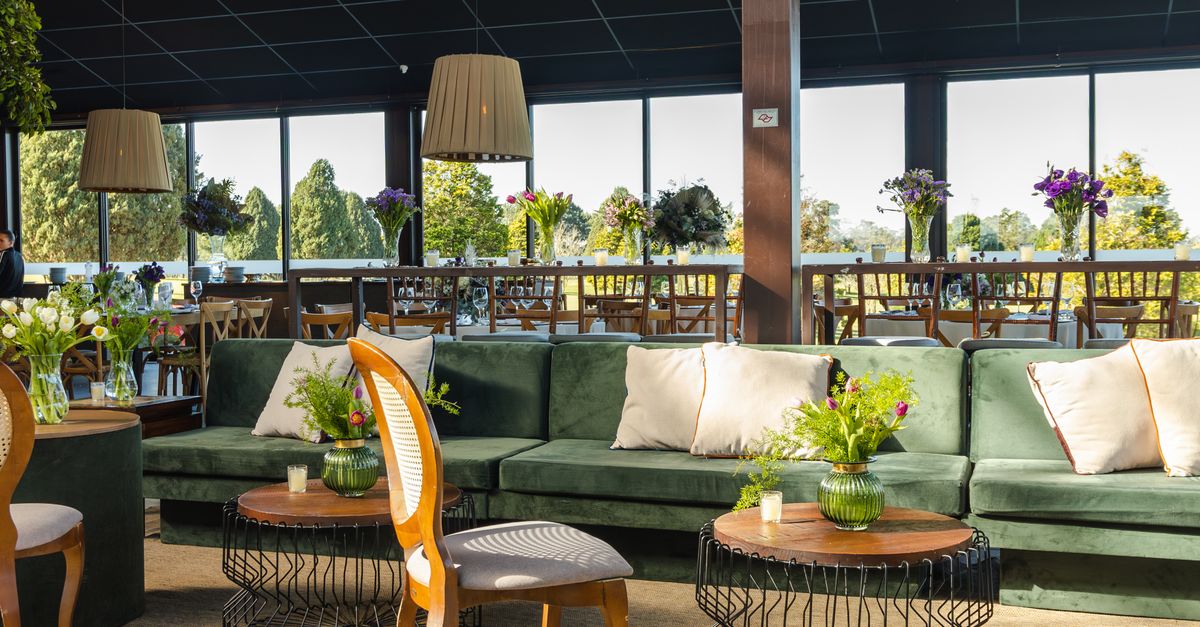
Table Of Contents
Incorporating Natural Light in Events
Utilising natural light can dramatically enhance the atmosphere of an event, creating an inviting and vibrant space. Large windows, skylights, and outdoor areas not only provide a beautiful backdrop but also allow the natural rhythms of the day to influence the ambience. Organisers can also plan event schedules to coincide with peak daylight hours, maximising the benefits of sunlight while reducing reliance on artificial lighting.
Incorporating this element seamlessly into the design is essential for a cohesive experience. The orientation of a venue should be considered, optimising views and light exposure. Innovative use of shade and reflective surfaces can enhance the overall impact. This approach not only makes a space feel more connected to the outdoors but also brings a sense of warmth and comfort to attendees, fostering engagement and enjoyment.
Benefits of Daylight Utilisation
Utilising natural daylight during events can significantly enhance the ambience of a venue. Sunlight brings warmth and vibrancy, creating a more inviting atmosphere for attendees. It also contributes to better mood and energy levels among guests. The natural light improves visibility, reducing the need for artificial lighting, which often leads to a more authentic and engaging experience.
Incorporating daylight can positively influence the aesthetics of an event. It allows for the natural beauty of a location to shine through, highlighting architectural features and decor elements. Additionally, events that harness daylight typically reduce energy consumption, reinforcing sustainability practices. This approach resonates especially well with environmentally conscious audiences looking for eco-friendly experiences.
The Role of Lighting Design in Theming
Lighting design serves as a vital component in bringing event themes to life. With the right application of colour, intensity, and placement, lighting can accentuate decor elements and create immersive environments. For instance, soft, warm hues can evoke a romantic atmosphere, while dynamic, vibrant colours can energise a space for a corporate event or celebration. The interaction between lighting and thematic elements enables a cohesive experience where every detail contributes to the overall narrative.
When aligning lighting with specific event concepts, it is essential to consider the intended mood and audience. For themed galas, projections and patterns can transform spaces into enchanted forests or glamorous ballrooms. Conversely, a minimalist approach may suit modern or corporate events, highlighting simplicity and elegance. Strategic use of uplighting and spotlights allows for dynamic focal points that guide guests' attention and enhance the aesthetic appeal. By thoughtfully integrating lighting design into event theming, planners can elevate experiences and leave a lasting impression.
Aligning Lighting with Event Concepts
Crafting an immersive experience at an event requires a thoughtful approach to lighting design. Each element of the lighting should complement the overarching theme, enhancing the ambience and guiding guests through the space. For instance, using warm, soft hues can evoke a sense of intimacy at a wedding, while vibrant, bold colours may energise a corporate launch. When lighting is aligned with the event's narrative, it adds depth and enhances the emotional resonance.
The selection of fixtures plays a crucial role in achieving this alignment. For a vintage-themed soirée, using chandeliers or filament bulbs can evoke nostalgia, whereas modern and sleek LED strips suit contemporary themes. Additionally, incorporating dynamic lighting systems allows for flexibility, enabling shifts in mood throughout the event. Close attention to detail in lighting choices not only enriches the aesthetic but also reinforces the event's purpose and message.
Sustainable Lighting Options for Eco-Friendly Events
Event organisers increasingly seek sustainable lighting solutions that reduce environmental impact. Solar-powered lights offer a versatile option, enabling illumination without drawing on traditional electricity sources. Battery-operated LED lights also deliver significant energy savings while providing vibrant colour options. These technologies are particularly effective for outdoor events where natural sunlight can complement the illuminated atmosphere.
Incorporating smart technology can further enhance eco-friendly lighting strategies. Programmable systems allow for automated control of lighting intensity based on attendance and time of day. These solutions not only conserve energy but also adapt to the unique requirements of each event. By prioritising sustainability, event planners can create memorable experiences while minimising their carbon footprint.
Implementing Energy-Efficient Practices
The growing emphasis on sustainability in event planning has led to a significant shift towards energy-efficient lighting practices. Selecting LED fixtures is a popular option due to their longevity and reduced energy consumption compared to traditional bulbs. Event organisers can also incorporate smart lighting systems to control brightness levels and schedules, ensuring that lighting is only used when necessary. This not only helps save energy but can also enhance the overall atmosphere of the event.
Another effective strategy is the use of solar-powered lighting, which is becoming increasingly accessible for outdoor events. This approach harnesses renewable energy to power lighting setups, decreasing reliance on conventional electricity sources. Additionally, event planners can consider utilising lower wattage options and strategically placing lights to maximise their effect while minimising energy use. By adopting these energy-efficient practices, event creators can contribute to sustainability while providing an exceptional experience for attendees.
FAQS
What are some benefits of incorporating natural light in events?
Incorporating natural light can enhance the atmosphere, improve mood, and create a more inviting environment. It also reduces the need for artificial lighting, saving energy and costs.
How can lighting design contribute to an event’s theme?
Lighting design can reinforce the event's theme by using colours, patterns, and intensities that align with the overall concept, creating a cohesive visual experience that resonates with attendees.
What are examples of sustainable lighting options for events?
Sustainable lighting options include LED lights, solar-powered installations, and using fixtures that consume less energy. These choices not only reduce environmental impact but can also lower operational costs.
Why is it important to implement energy-efficient practices in event lighting?
Implementing energy-efficient practices helps minimise the carbon footprint of an event, reduces energy costs, and promotes an eco-friendly image, which can be appealing to environmentally conscious attendees.
How can I align lighting with my event concept effectively?
To align lighting with your event concept, consider the mood you want to create, choose appropriate colour schemes, and use dynamic lighting techniques to adapt to different phases of the event, ensuring a seamless experience for guests.
Related Links
Selecting Dynamic Lighting Options for Outdoor EventsEnhancing Event Themes with Creative Lighting Designs
Understanding the Impact of Lighting on Guest Experience
Tips for Effective Lighting Setup and Placement
Customising Lighting for Corporate Events and Celebrations
How to Choose the Right Lighting for Your Venue
Creating the Perfect Atmosphere with Ambient Lighting